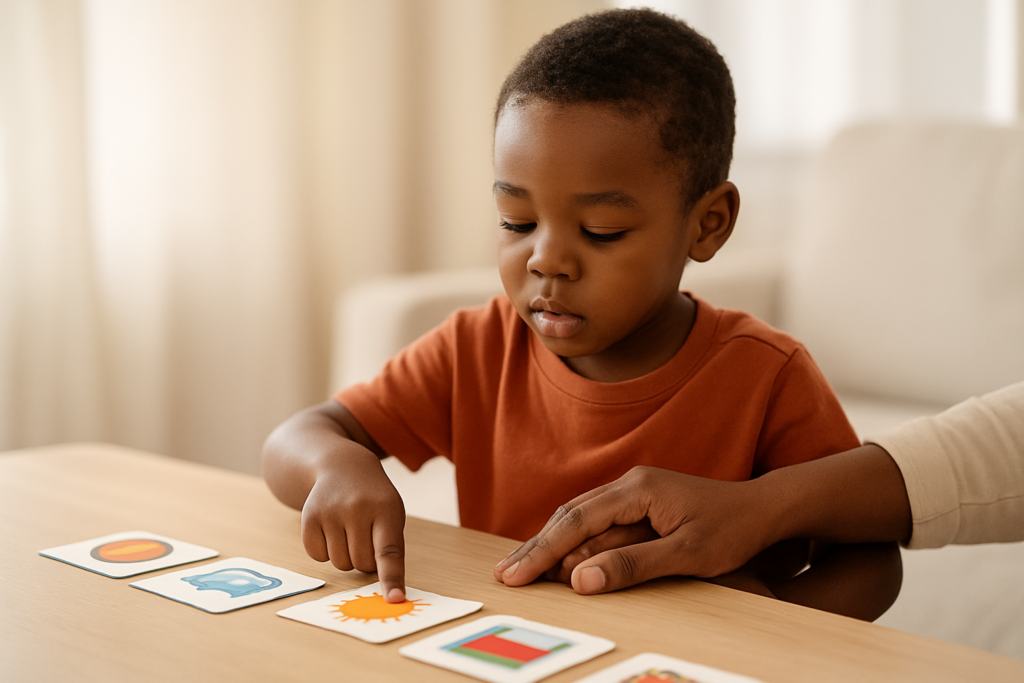
Learn how early intervention supports communication, sensory regulation, motor skills, social-emotional development, and independence in autistic children. Discover why early support builds a strong foundation for lifelong growth.
Early intervention is one of the most impactful ways to support autistic children or children showing developmental delays. It focuses on giving them the tools, strategies, and support they need at a time when the brain is most adaptable. Early support does not aim to change a child; it strengthens their natural abilities and reduces barriers to learning, communication, and connection.
1. Builds Communication Skills
Communication is at the heart of human connection. Early intervention helps children use:
- Speech
- Gestures
- Sign language
- Picture supports
- AAC (Augmentative and Alternative Communication)
These tools reduce frustration, increase understanding, and allow children to express their needs confidently.
2. Strengthens Daily Living Skills
Early support helps children develop essential life skills such as:
- Feeding
- Dressing
- Toileting
- Following daily routines
These early foundations help children participate more independently in home and school life as they grow.
3. Supports Sensory Regulation
Many autistic children experience sensory overload or sensory-seeking behaviors. Early intervention helps families:
- Identify sensory triggers
- Create regulation strategies
- Use sensory-friendly routines
- Reduce meltdowns and anxiety
A regulated child learns more comfortably and confidently.
4. Boosts Social-Emotional Development
Through play-based learning and relationship-building, early intervention strengthens:
- Emotional understanding
- Play skills
- Confidence
- Problem-solving
- Social connection
These skills support smoother peer interactions and stronger emotional resilience.
5. Builds Motor and Physical Skills
Occupational and physical therapy in early intervention help develop:
- Fine motor skills (using utensils, writing, buttoning)
- Gross motor skills (jumping, climbing, balance)
- Coordination and strength
Motor success supports school readiness and independence.
6. Reduces Future Challenges
Starting early reduces learning gaps, improves attention, and strengthens the child’s ability to adapt to new environments—setting them up for long-term success in school, relationships, and community life.
7. Empowers Families
One of the greatest gifts of early intervention is how it supports families. Parents learn:
- How to communicate effectively with their child
- How to create calming routines
- How to reduce stress and meltdowns
- How to encourage learning through everyday moments
When families feel confident and supported, children thrive.
🌈 Final Thoughts
Early intervention is not about “fixing” a child. It’s about recognizing their potential, nurturing their strengths, and giving them the tools to grow with confidence. The earlier the support begins, the stronger the foundation for lifelong learning and independence.